07775 853 348

How to Start Trad Climbing: A Beginner’s Guide
Traditional climbing can be incredibly rewarding, but it also introduces new skills and responsibilities. In this guide, we’ll look at how to get started with trad climbing, the equipment you’ll need and the best ways to develop the skills and judgement required to become a competent traditional climber.
What Is Trad Climbing?
Traditional climbing, commonly known as trad climbing, is a style of rock climbing where the climber places removable protection into cracks and other features in the rock as they ascend. This protection is connected to the rope using quickdraws or slings to help protect against a fall.
Unlike sport climbing, where permanent bolts are already installed in the rock, trad climbing requires the climber to select, place and assess their own protection.
Once the climb is finished, the protection is generally removed by the second climber, leaving the rock face largely as it was found.
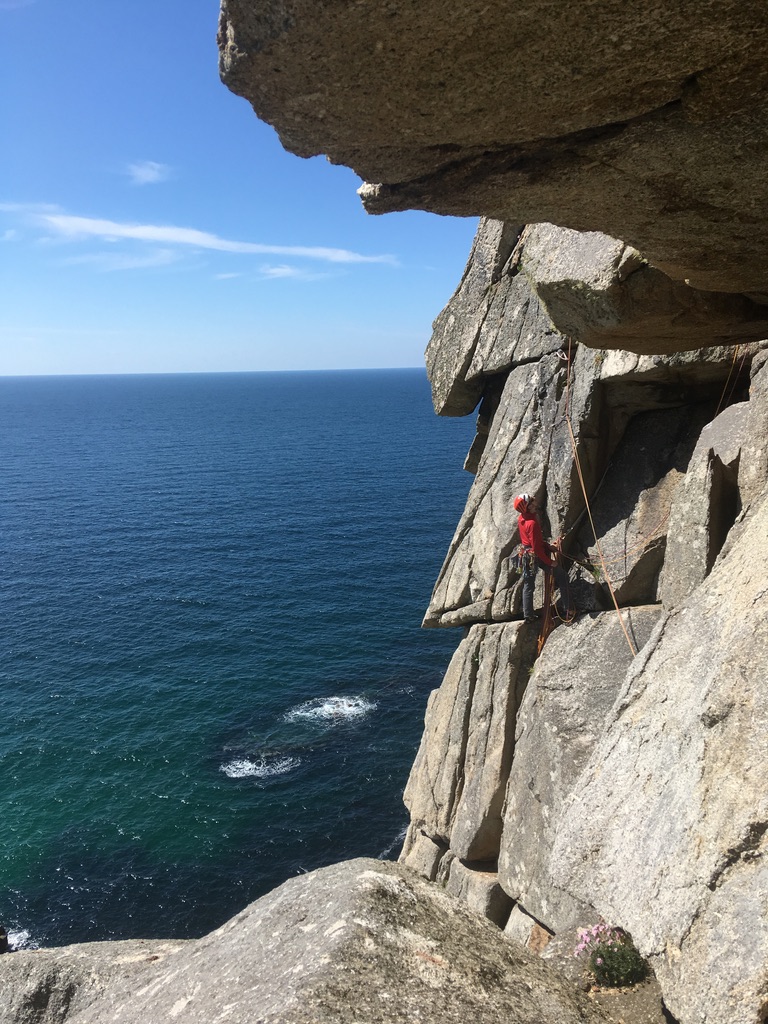
Trad climbing is popular throughout the UK, with excellent climbing found in places such as the Peak District, North Wales, the Lake District, Pembrokeshire and Swanage.
For many climbers, trad climbing offers a different kind of experience. It combines physical ability with problem-solving, technical knowledge and decision-making. You’re not just working out how to climb the route; you’re also deciding where to protect it and how to manage the risks involved.
Build a Solid Foundation in Rock Climbing
Before starting trad climbing, it’s useful to have a reasonable foundation in general climbing skills.
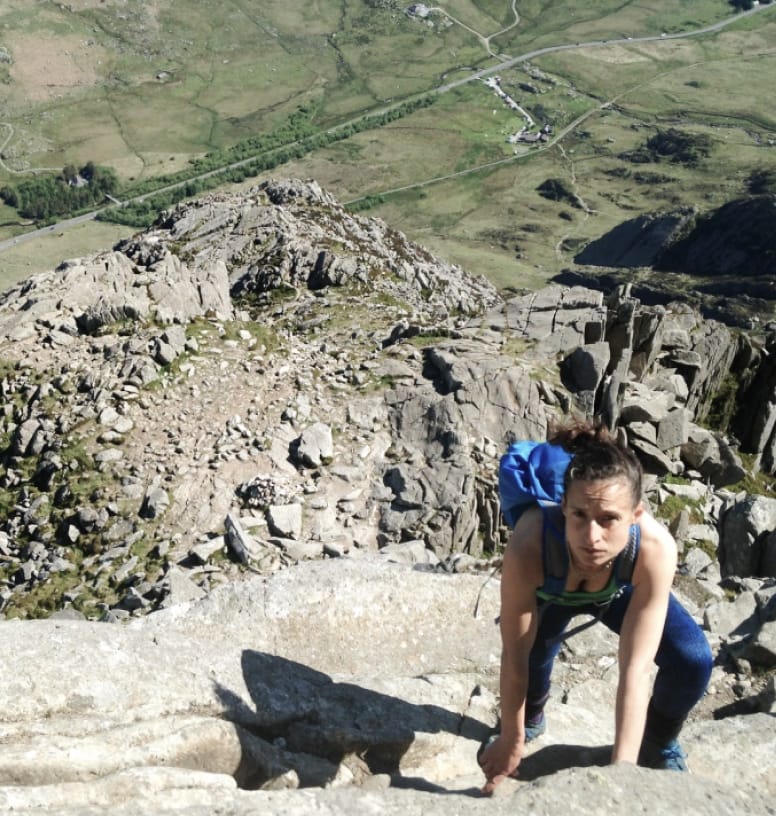
You don’t need to be an elite climber to learn trad, but you should be comfortable moving on rock, using climbing equipment and managing your body position on a route.
If you’ve been sport climbing, you’ll already have experience with climbing movement, belaying and handling a rope. These skills provide a useful starting point, although trad climbing introduces additional techniques that need to be learned separately.
In particular, you should develop an understanding of:
- Basic climbing movement and efficient footwork.
- Rope management and communication between climbers.
- Belaying and managing a partner on a climbing route.
- Building confidence while climbing above protection.
- Recognising your own limits and making sensible decisions.
It’s also worth remembering that grades don’t translate perfectly between different styles of climbing. You may find a trad route at a relatively modest grade more mentally demanding than a harder sport route because of the spacing of the protection, the quality of the gear placements or the consequences of a fall.
Start with routes that suit your overall experience, not simply the hardest grade you’ve climbed indoors.
Learn How to Place Trad Protection
One of the most important skills in traditional climbing is learning how to place protection effectively.
Trad climbers commonly use equipment such as nuts, hexes and camming devices, often referred to as cams. These devices are placed into suitable rock features and connected to the rope to provide protection against a fall.
However, owning a rack of equipment doesn’t automatically make you a trad climber.
You need to understand how to select suitable placements, assess the rock, orient the equipment correctly and recognise the limitations of each placement. You also need to consider how rope movement might affect the protection as you climb.
A placement that looks secure at first glance may be unsuitable because of the shape of the crack, poor rock quality or the direction in which it could be loaded.
Learning to place trad protection is a practical skill that requires demonstration, repetition and feedback from someone competent in traditional climbing.
A good starting point is to practise placing gear at ground level under supervision, examining different placements and understanding why some are more reliable than others. You can then progress to placing protection on appropriate climbs as your skills develop.
Remember that protection is only one part of the safety system. Even ‘apparently’ good placements can fail, and the consequences of a fall depend on the whole setup, including the rope system, belay, fall distance and terrain.
Get the Right Trad Climbing Gear
Trad climbing requires more equipment than most sport climbing. Building your first rack can also be expensive, so it’s worth understanding what you need before spending money.
Typical trad climbing equipment includes:
Nuts: Small metal wedges that fit into constrictions in cracks. They are relatively lightweight and form an important part of many trad racks.
Cams: Spring-loaded devices that expand against the sides of suitable cracks. They offer versatility across a range of crack sizes, provided the rock and placement geometry are appropriate.
Quickdraws and extendable slings: Used to connect protection to the rope and help manage rope drag.
Climbing rope: A suitable dynamic rope for the route, climbing system and conditions.
Harness, helmet and belay device: Essential components of your personal climbing equipment.
Nut key: A useful tool for removing stuck nuts and other removable protection.
The exact equipment you need will depend on the routes you’re planning to climb, the type of rock and the features available for placing protection.
If you’re new to trad climbing, avoid buying a complete rack simply because it appears on a recommended equipment list. An experienced instructor or mentor can help you identify what is appropriate for your objectives and budget.
You should also learn how to inspect, maintain and retire equipment in accordance with the manufacturer’s guidance.
Understand Trad Climbing Grades
Choosing appropriate routes is a crucial part of learning how to start trad climbing.
In the UK, traditional climbs are commonly graded using the British trad grading system, which combines an overall adjectival grade with a technical grade.
The adjectival grade describes the overall seriousness and difficulty of the route, taking factors such as sustained climbing, protection, exposure and commitment into account. The technical grade describes the hardest individual move or short sequence.
For example, a route graded Severe 4a is different from one graded Hard Severe 4c, even if the hardest move on each route appears manageable for you. The overall experience of the climb can differ significantly.
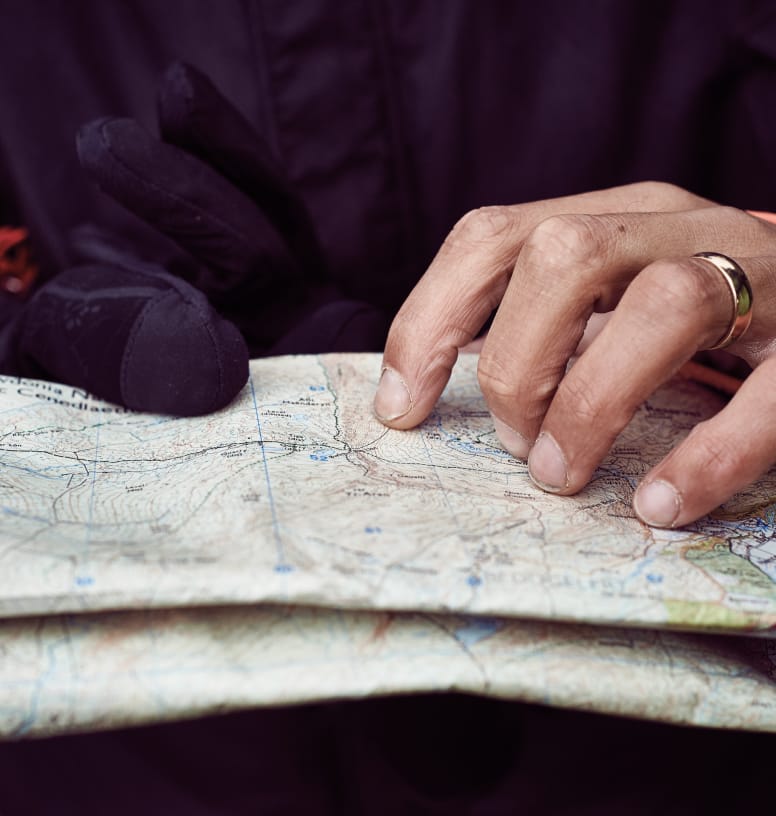
As a beginner, look for well-documented routes with suitable protection opportunities, good rock and straightforward approaches and descents. Guidebooks and reliable local knowledge are particularly valuable.
Don’t choose a route purely because the technical grade looks easy. A climb with sparse protection, loose rock or a complicated descent may be unsuitable for someone learning to trad climb.
The goal is to build experience gradually, allowing you to develop both your physical ability and your judgement.